
Featured Kashmiri Shawls – Price & Collection in Pakistan Products
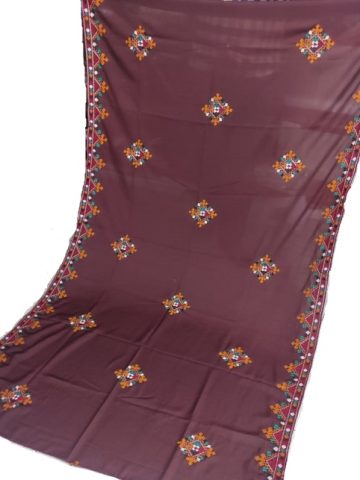
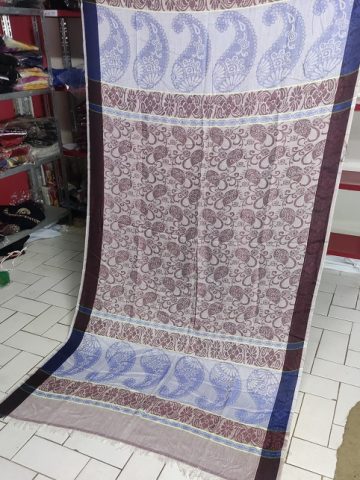
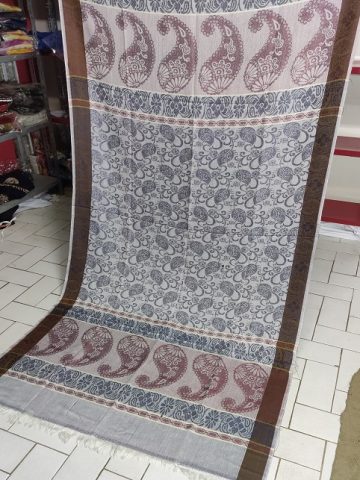
A Kashmiri shawl isn’t just a winter layer — for most Pakistani brides, it’s the piece that finishes the barat or walima look. What sets it apart is the handwork: Sozni needle embroidery, Kani weave, or heavier Jamawar patterns, all done by hand by artisans in Kashmir. That’s also why prices vary so much — a machine-embroidered piece and a hand-worked pashmina shawl can look similar in a photo but be worlds apart in quality and cost.
In Pakistan, Kashmiri shawl prices typically range from Rs. 8,000–15,000 for simpler wool shawls with light embroidery, up to Rs. 25,000–60,000+ for heavier bridal Jamawar or fully hand-embroidered pashmina pieces. Fabric (wool vs. pure pashmina), the density of the embroidery, and the size of the shawl all affect where a piece falls in that range — we’ve listed these details on every product page so you know exactly what you’re paying for.
What Makes a Shawl “Kashmiri”
Genuine Kashmiri shawls come from one of three traditions, and knowing the difference helps you pick the right one for your event and budget:
- Sozni embroidery — fine needle embroidery, usually done on pashmina, worked entirely by hand. This is the most time-intensive technique and commands the highest prices.
- Kani weave — the pattern is woven directly into the fabric using small wooden spools (kanis), rather than embroidered afterward. Recognizable by its intricate, all-over paisley or floral motifs.
- Jamawar — a heavier, richly patterned weave traditionally used for bridal and formal wear. Bold, dense designs that photograph well and suit heavier bridal outfits like lehengas.
How to Style a Kashmiri Shawl for Bridal Wear
- With a lehenga: drape a Jamawar or heavily embroidered shawl over one shoulder, letting it fall toward the back — works especially well with solid-color or lightly embellished lehengas so the shawl becomes the statement piece.
- With a gharara or sharara: a Kani or Sozni shawl in a contrasting or complementary tone adds texture without competing with the outfit’s own embroidery.
- For barat vs. walima: heavier Jamawar suits the richer, more formal barat look; lighter Sozni pashmina works well for daytime or mehndi functions where you want warmth without bulk.